Turning off google ads: How much revenue you lose?


October is budget season. This is the time of year when companies look at their paid search advertising and ask whether it still pays for itself, whether they could switch it off, or whether they could run it in-house and save the management fee.
The question is fair. The problem is that it is almost always asked without the data needed to answer it. The decision is then made on instinct and the consequences only become visible a few months later.
A case from our own practice
One of our clients decided they could run their Google Ads themselves. The campaigns were working well at the time. Managing them looked like a cost they did not really need, so they ended our cooperation.
Three months later they came back. Sales had fallen by more than 75 per cent.
A drop of this kind rarely shows up in Google Ads straight away. The ads keep appearing, the clicks keep coming and the costs keep running, so the account looks much as it did before. What changes is who actually buys.
The lesson is not that companies cannot run their own ads. The lesson is that this client could have seen the problem within a few weeks instead of three months. They would only have needed to watch one figure and that figure is not in Google Ads.
Why Google Ads cannot answer this question
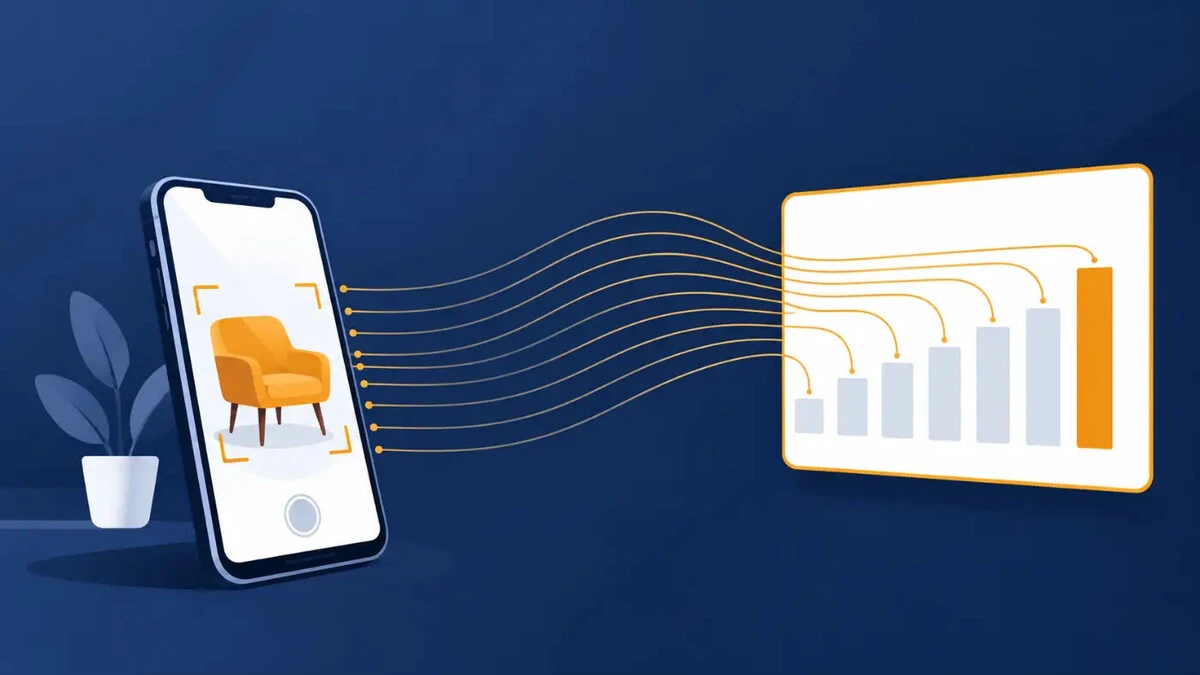
Google Ads knows how many times your ad was shown, how many people clicked it and how many of them submitted a form. It does not know how many of those enquiries were serious, how many of them received a quote and how many of those quotes were accepted.
Without that, cost per conversion is only the cost of a completed form, not the cost of a customer. Take two campaigns. The first brings an enquiry for 31€ and one in five of those enquiries becomes a deal, so a closed deal costs 155€. The second brings an enquiry for 19€, but only one in twenty becomes a deal, so a closed deal costs 380€. In Google Ads the second campaign looks like the better one, while in reality each sale from it costs more than twice as much.
Two kinds of enquiry you should not treat the same
Enquiries that arrive through ads tend to fall into two groups. Some people are ready to buy now and want to finish the purchase quickly. Others are only comparing prices and have no intention of deciding yet. There is not much in between.
Enquiries from organic search usually behave differently. These people need contact, a conversation and a quote prepared for their situation. They close more slowly, but they do close.
If you switch the ads off, you lose the buyers who were ready to act immediately and organic search does not replace them. The two groups reach you at different stages of their decision. Telling genuine buyers apart from price-checkers happens in your sales process, not in the advertising platform.
How to measure this before you change anything
The first step is to tag every enquiry with its source. A parameter in the landing page URL lets you see whether a form on your website was submitted after an ad click or not. The same method covers orders in a web shop.
This method has a limit. Someone can click an ad, leave and come back a week later through a search result and the enquiry will be recorded as organic. For that reason, ask every new contact how they found you and keep that answer next to the technical data. A spreadsheet will not hold this together for long, because it does not follow what happens after the first contact.
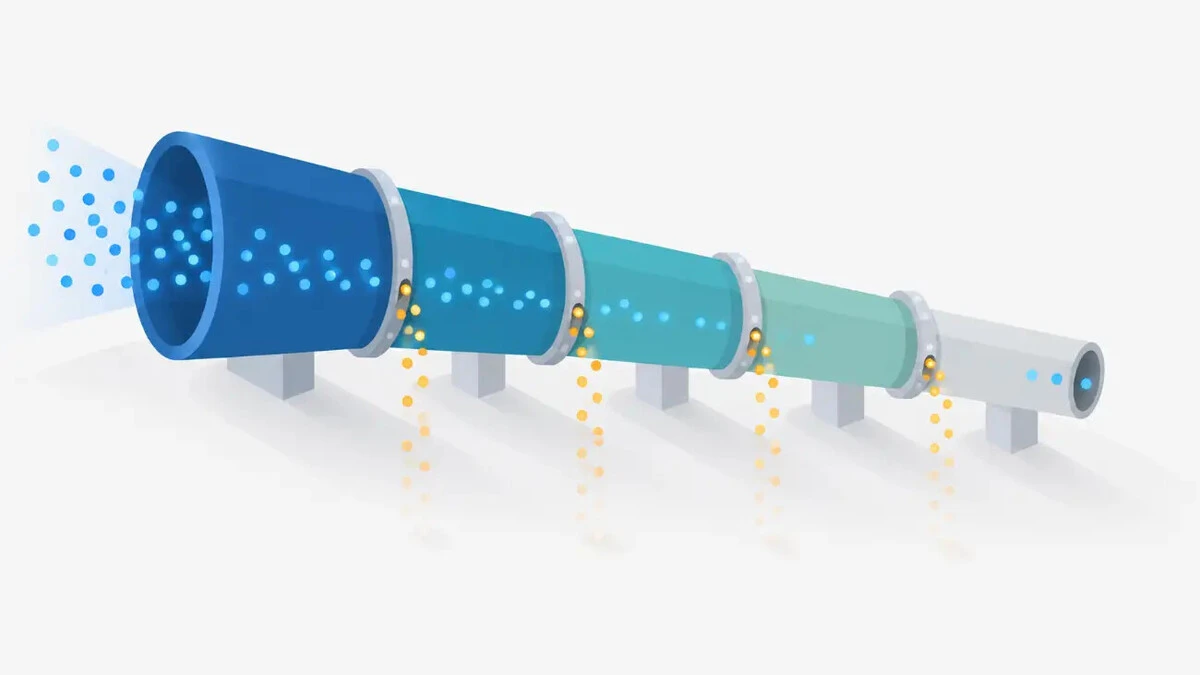
The second step is to link every enquiry to its outcome: whether a quote was prepared and whether the client accepted it. You can only trace this reliably if your sales team records enquiries in a CRM system and does so consistently. Once that is in place, you can see where your paying clients actually come from, not just where your form submissions come from.
The third step is to test on a small scale. Change one ad group or one region for six weeks and compare it against a control group you leave untouched, instead of switching everything off at once. Keep campaigns separated by purpose while you do this, because remarketing and campaigns aimed at new buyers do not behave in the same way.
Why this autumn is a difficult time for such decisions
Google's September spam update began on 24 September and ran for 13 days, ending around 8 October. Rankings moved during that period and many sites saw their organic traffic change without doing anything themselves.
This means that organic traffic data from late September and early October is a poor basis for comparing channels. The numbers describe the update more than they describe your website.
If you want to compare paid and organic search against each other, use data from before 15 September, or wait until the end of October, when rankings have settled. A comparison made inside the disturbed period will point you towards the wrong decision.
What to remember
- Paid and organic traffic are not interchangeable. Ads reach people who are ready to buy now and people who are comparing prices. Organic search reaches people who need information before they decide. Cutting one channel because the other will take over its role starts from a false premise.
- Cost per conversion without closed deal data is incomplete. It tells you the price of a form, not the price of a customer. Two campaigns with the same cost per conversion can have completely different value for your business.
- Do not change a channel before you know what it brings you. The case above shows what three months without that data can cost and how long it takes to recover afterwards.
How we handle this at Kabi
We develop websites and web shops on our own platform, CMS Bananadmin, our own content management system. It can recognise from the URL that an enquiry arrived after an ad click, so the source is recorded with the enquiry itself.
When clients also use our CRM, the sales data shows how many deals came from each channel and what each of them was worth. Google Ads cannot show this, because all of it happens after the click.
When we take over website optimisation or Google Ads Management, we start with one question rather than with the budget: can your enquiries be traced to a final outcome? In practice, the answer often reveals something else first, namely how many enquiries are being lost on the website before they ever reach your sales team.
Maybe you are interested
Read more